
6 Steps on Buying a Home

When you know what to expect from your homebuying adventure, you can enjoy the journey; but if you’re not prepared, you could end up on an emotional roller coaster.
Here are the six basic steps to buying your first home.
Step One: Prepare Your Credit and Finances
To qualify for a home mortgage loan, you’d ideally have a credit score of at least 620, a debt-to-income ratio (DTI) of 36 percent or lower, and a substantial amount of cash on hand.
Your debt-to-income ratio is figured by adding together your monthly debt and then dividing that number by your gross income.
If your credit score and DTI need work, you can improve your numbers by paying down credit cards, loans, or lines of credit.

When buying a home with a conventional loan, you’ll need a twenty percent down payment. You’ll also be responsible for closing costs, which are estimated between two and six percent. In traditional loans, closing costs are not enveloped into the home mortgage loan, so they’re cash-out-of-pocket.
There’s also an earnest money deposit (EMD) that you’ll submit with your offer, which is another one to three percent of the sales price of the home.
It’s also a good idea to have an emergency fund to cover at least three months of expenses and enough to cover the unexpected costs that come with homeownership.
Furthermore, you’ll need to account for your moving expenses and deposits for things like utilities. Otherwise, you could find yourself in a predicament where you’re house-poor with buyer’s remorse.
Step Two: Hire the Best Real Estate Agent
When you’re financially prepared to purchase your first house, it’s time to call in the help of the pros. You need a buyer’s real estate agent to represent you throughout the transaction.
Your agent does the heavy lifting throughout the process, from referring you to lenders and showing you properties to drafting your offer and negotiating on your behalf.
Hire an agent who specializes in the area you’d like to live in and in the type of property you’re looking to buy, such as a single-family home, townhome, or condominium.
Step Three: Shop Lenders and Get Pre-Approved
Without pre-approval for your home mortgage loan, you’re not empowered to purchase, even if you’ve got enough cash and credit to buy.
Getting pre-approved has multiple benefits. You’ll have a clear understanding of your budget, so you won’t waste time and energy looking at homes you can’t afford.
Pre-approval is a signal to the seller that you’re ready to move forward, which also gives you an edge over competing offers that haven’t been pre-qualified.
You’ll also expedite the process between the acceptance of your offer and the closing date because you’ll already have taken care of the lengthy loan application process.
Ask your real estate agent if he or she has business relationships with lenders they can refer.
Step Four: Shop for Houses
Now comes the fun part – the house hunt! Talk with your real estate agent about your budget and your wish list until you come up with a solid idea of what it is you’re looking for in your first house. Remember, you can always upgrade with time, so be open to compromise.

Try not to emotionally attach to a property too soon. First, the seller has to accept your offer, which could be tricky if there are competing offers. Then, the house has to pass an appraisal and inspection.
Until those processes are finished, there’s still a chance that the deal could fall through. If the house doesn’t appraise for the sales price, or if the inspection uncovers problematic areas, you may find yourself back at the negotiation table – or, in the worst-case scenario, retracting your offer.
Step Five: Submit an Offer
When you find a house that ticks off all your boxes and tucks nicely into your budget, you’ll need to submit an offer quickly, especially in a seller’s market where houses sell in a matter of days.
Your real estate agent will advise you on what’s reasonable, but it’s your decision how much you offer. Although it’s normal to leave room for negotiation, don’t start by lowballing the seller. Instead, come in with a strong, competitive offer that makes you stand out from the others.
Be cautious with contingencies, such as asking the seller to pay closing costs or by attaching a timeline that doesn’t fit the seller’s needs. For example, you may need to finish out your current lease and won’t be able to move for another two months. The seller might need to move sooner.
Expect, especially in a seller’s market, that there will be competition. You won’t know what other people are offering, so you’ve got to make sure that your offer is attractive to the seller.
Step Six: The Closing Process
The closing process, which can take from as little as a few weeks to months, is when the house you’re buying gets appraised and inspected. It’s also when there’s a title check performed to ensure that the property is free of liens that would prevent it from being legally sold.

Technology has allowed for many real estate-related documents to be signed digitally. It’s also possible to have a virtual closing via video conference, although you’d need to make arrangements to get your keys. By the closing date, the seller will have moved out of the home, so you’ll be able to take ownership of the property immediately after closing.
Conclusion
Before you get too deep into searching properties online, make sure you’re financially prepared, with a good credit score and DTI. Hire the right agent to guide you through. Get pre-approved, and then you can enjoy the house-hunt. Submit an offer but expect the possibility of competing offers and negotiations. Be patient with the closing process as it takes time for all the elements to be put in place.
Ask your real estate agent for more information to help first-time homebuyers along the journey to homeownership.
Have Questions?
Give The Buetergerds Group a call today to learn more about local areas, discuss selling a house, or tour available homes for sale
6 Steps to Selling a Home

Selling your house is a monumental task, especially when you’re preparing for your own pending move. And there are strategies to selling a home that can help you sell faster and earn more. Before you stick that for sale sign in the yard, check out these six steps to buying a home.
Step One: Hire the Right Listing Agent
Your listing agent, or seller’s agent, will heavily influence the entire process of selling your home, from how to price, market, prepare, and show your house to reviewing and negotiating offers and getting through the closing process. The wrong agent can cost you time, money, and frustration.

Ask friends and family for recommendations, read ratings and reviews online, visit agent websites, and generate a list of potential agents in your area. Then, interview at least three. Then, you’ll have a point of reference for comparison in fees, experience, and personality.
Step Two: Price Your House to Sell
Pricing a house for sale is tricky. You want to earn the best ROI, but you don’t want to over-price. A price tag that’s too expensive will prevent buyers from even considering your property.
And dropping the price repeatedly hurts your chances of a sale because buyers begin to wonder why the house isn’t selling and if there’s something wrong with it. An inflated price could also cause your home to stay on the market longer, which also damages its reputation with buyers.
Your real estate agent will come prepared with a comparative market analysis, or CMA, which is a report that provides details about recently sold houses in your area that are similar to yours in size and features. This data will show you asking prices vs. selling prices, as well as how long the homes were on the market before they sold.
The real estate market fluctuates, meaning it rises and falls with supply and demand. When there are more buyers than there are sellers, it’s called a seller’s market, and home values go up.
However, when there are too many sellers and not enough buyers, that’s a buyer’s market, and prices go down. The current market trends will dictate approximately how much a buyer is willing to pay for a house like yours in your neighborhood.
Step Three: Stage Your Home for Showings
Staging your home for sale is a critical element in determining how much buyers are willing to pay, which is determined, in part, by perceived value.
Perceived value is the amount of money the buyer thinks your house is worth. If the house is in poor condition, disarray, or still looks too lived in, buyers will start knocking dollar signs off of their offers.
What it means to stage a house is that you get it in its absolute best form, as new as you can make it feel and look. When buyers see a home that is move-in ready, they’re more inclined to make an offer.
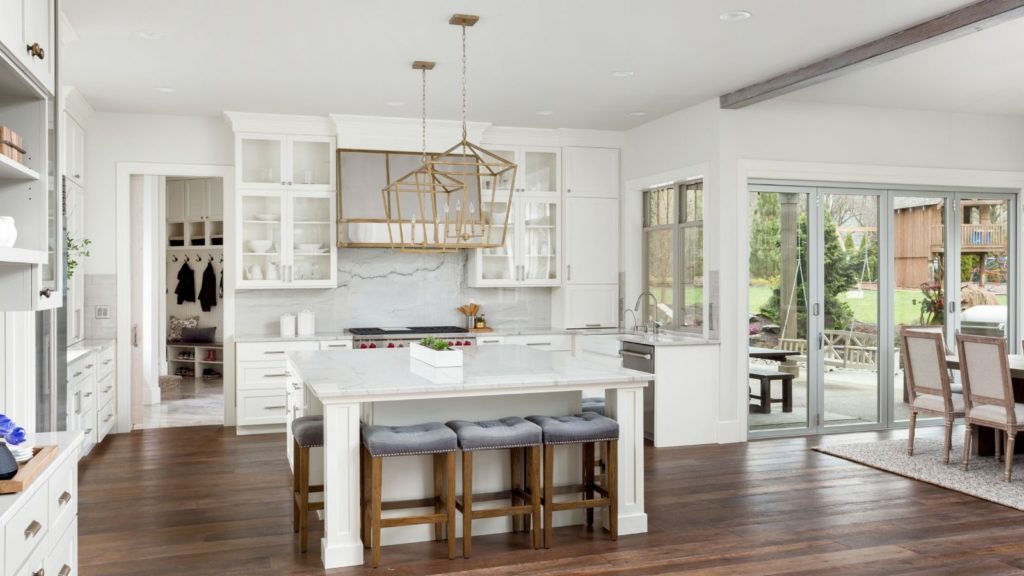
Decluttering, depersonalizing, cleaning, and accessorizing are all steps in staging. Take advantage of this opportunity to prepare for your pending move by eliminating things you don’t need, packing things for later, storing big items like extra furniture, deep cleaning from top to bottom, and adding the right accents to make the home feel warm and inviting.
Your real estate agent is an expert in staging houses for sale. He or she will tour your home with you to point out areas that could be improved upon to increase the perceived value of your house for sale.
Step Four: Virtual and In-Person Tours
Open houses used to be one of the primary ways for potential buyers to view your home. However, with the evolution of technology, you can now give virtual tours, dollhouse views, live open house events or private digital tours on social media, and more.
In this way, you reduce the amount of foot traffic coming through to look at your home, especially if they’re just window shopping with no real desire to buy.

Use high-quality photos and videos to show your house in its best light online.
Once a buyer decides they’re ready to consider your house on a deeper level, they’ll schedule a private showing through their real estate agent.
It’s best and safest if you (and any pets you may have) are not at home during showings.
Step Five: Reviewing Offers
In a seller’s market, it’s normal to receive multiple offers, but don’t be fooled by the dollar value alone. One buyer may bid $5,000 more than another offer, but that higher offer might not be a pre-approved buyer or might have a contingency that they have to sell their current house first.
Ask your real estate agent to explain each offer to you in detail so you can compare the differences in price, contingencies, and timelines.
Step Six: The Closing Process
During the closing process, the buyer’s lender requires that your house be inspected and appraised. The inspection, which looks for faulty items in the electrical systems, heating and air, plumbing, the foundation, roof, and will also look for damaging pests like termites, tells the lender that the property is in good standing.
The appraisal assures the bank that the property you’re purchasing is worth the amount of the sales price. Be prepared to leave the house again during the appraisal and inspection.
It’s also customary within the days right before closing that the buyers do a final walkthrough of the home to ensure that it’s in the same condition it was the first time they viewed it.
Conclusion
Find the best seller’s agent to guide you through your home selling experience. Price your house right the first time to avoid unnecessary and damaging price cuts. Stage your house, so it’s more attractive and seems more valuable to buyers.
Keep the house clean and be prepared to leave, with notice, for virtual open houses, live events, in-person showings. Review each offer carefully, noting the variations and how they work with your needs as the seller. Then, be patient and willing to leave again for the appraisal and inspection.
Have Questions?
Give The Buetergerds Group a call today to learn more about local areas, discuss selling a house, or tour available homes for sale
Tips for First Time Homebuyers

Chances are, you’ve been dreaming of homeownership for a number of years. By now, you’ll likely have saved thousands of dollars toward your goal, and you’re ready to move forward. But before you dive into the waters of real estate, it’s best to educate yourself about the process so you can enjoy the journey to buying your first home.
Here are some tips to take into consideration as a first-time homebuyer.
Hold the House Hunt
Once you’ve reached the point of having enough money saved that you’re ready to pull the trigger on your real estate purchase, you may be tempted to head to the internet to start looking at houses for sale. But that’s putting the cart before the horse.
The real estate market fluctuates daily. Home values rise and fall with public demand. And, it’s a fast-paced industry where you need to take immediate action, or the house you’re eyeing will be snatched up by another eager buyer who is already prepared.
Know what you need to do to be prepared, so you’re not disheartened along the way. Falling in love with a house and losing it to another buyer can be incredibly discouraging, creating stress and tension where there should be joy and celebration. Don’t look at houses until all your other ducks are in a row.
More than the Down Payment
You may have done well to save for a down payment on your first home, but there’s more of a financial commitment involved than your standard twenty percent down payment on a home mortgage loan.
Closing costs is a term used to account collectively for all of the fees accrued throughout the transaction. For example, there are lender fees, escrow fees, title check and transfer, appraisal, inspection, homeowners’ insurance, property taxes, and more.
Closing costs usually run somewhere between two and five percent of the loan amount. That means that if you’re applying for a conventional loan on a $200,000 home, you’d need about $40,000 for your down payment and an additional $10,000 for closing costs, estimated at five percent.
Closing costs are not usually incorporated into your home mortgage loan; they’re a cash-out-of-pocket expense.
There’s another expense you’ll pay, too, that’s called an earnest money deposit, or EMD. You’ll submit an earnest money deposit, typically to the tune of one to three percent of the home’s sales price, when you make your offer. This money indicates to the seller that you’re serious about making the purchase. If you estimate your EMD at two percent, you’ll need another $4,000.
Don’t forget about your moving expenses and consider having a nest egg or an emergency fund for unforeseen expenses that come with homeownership.
Shop Lenders and Get Pre-Approved
Some buyers never think to look beyond their personal bank when applying for a home mortgage loan. But lenders determine your closing costs and mortgage payments based on different interest rates and fees. For example, you may find that one lender quotes closing costs closer to the four percent range while another is at five percent.
Check-in with at least three lenders so that you have a point of reference in determining which one is best for you. You may also find that having quotes from other lenders can give you a foundation for negotiations on rates.
You’ll need pre-approval for your home loan for a few reasons. First, it determines your budget. Second, it proves to the seller that you’re ready to buy. Third, it saves time between the seller accepting your offer and the day you move in because you won’t have to wait through the lengthy loan application process.
Also, be advised that lenders may offer to loan you more than what you’ve applied for. Although it’s tempting to take that money to invest in your new home, it’ll raise your monthly mortgage payments and cost a lot more in the long run.
Don’t Finance Anything
Lenders will check your credit and debt-to-income ratio before they approve you for a mortgage. However, that pre-approval letter isn’t a fail-proof guarantee that you’ll get the loan.
Before the closing meeting, the lender will run your credit report again to make sure nothing has changed between your approval and the closing date. If you have splurged preemptively on things like financing new furniture or buying a new car, that could cause the lender to terminate the deal.
Be Realistic with Your Wish List and Budget
First-time buyers often misgauge how far their home-buying budget can stretch. They imagine themselves living in a great neighborhood near excellent parks and schools, and also with a large home that comes complete with upgrades and fine finishes. The reality is, you may have to choose either the location or the size and features of the home.
It’s okay to make a master wish list with all of your desires, but then narrow down that list by dividing it into two lists: one for must-haves and another for things you’d be willing to negotiate on.
The Deal Isn’t Done Until You Have the Keys
Even after the lender approves your loan and the seller accepts your offer, there’s still a chance that things might go awry. If there are any problems revealed during the appraisal or inspection, you may find yourself asking for repairs, renegotiating the sales price, or, if the conditions are insurmountable, cancel the contract.
Hire the Right Real Estate Agent
Hiring the right real estate agent is the best first step in your journey toward homeownership. A buyer’s agent may be able to refer you to lenders, refine your wish list, show you homes that meet your needs, help you submit a compelling offer, walk you through the contracts, and will also assist with setting up things like the appraisal and inspection.
Conclusion
Understand the financial commitment you’ll need to make when you purchase a home, including down payment, closing costs, and earnest money deposit. Shop lenders and get pre-approved for your home mortgage loan. Don’t finance anything before or during your transaction and be realistic with your wish list and your budget.
Before you hit the internet in search of your dream home, talk with your real estate agent.
Have Questions?
Give The Buetergerds Group a call today to learn more about local areas, discuss selling a house, or tour available homes for sale
Staging Your House for Sale

The condition of your house for sale is what will determine, in large part, what a buyer is willing to pay. When people view your home online or in person, they’re either charmed and want to see more, or they’re discouraged and start to devalue the property. For this reason, it’s important to prepare your home so that it’s in its absolute best condition for showings. This preparation is called staging. Here are some tips for staging your house for sale.
Declutter Every Space in Your Home
Decluttering is difficult, especially when you think about decluttering every space in your home, including closets, cabinets, pantries, cupboards, drawers, and even under sinks to clean out toiletries and cleaning supplies.
One tip is to take it one room at a time but to commit to completing that room in a certain time frame. It might help to have a bag for trash, a box for paperwork and photographs, a container for items to donate or give away, and boxes for packing things you won’t need before your move.
Plan a little extra time for nostalgia and trips down memory lane. You’ll literally be touching everything you’ve accumulated during your time living in the house.
Remove any stacks of paper or miscellaneous piles from counters and tabletops.
Decluttering also applies to extra furniture such as unused desks, china cabinets, extra dining room chairs, or anything that you don’t absolutely have to have in the next two to three months. Large pieces of furniture can darken a room, make it feel smaller, and give it the sense of being over-stuffed.
Put Away Your Personals
With each room of your house decluttered, it’s time to move to the personal items, such as photographs, artwork, refrigerator drawings and magnets, books and magazines, knickknacks, and all the other items that made that house your home.
The goal in depersonalizing, aside from preparing for your pending move, is to create a clean slate so that buyers can imagine their photographs and artwork on the walls and their furniture in the rooms.
Another reason to depersonalize is so that you don’t risk offending a buyer whose belief system is different than yours.
Depersonalizing also applies to paint and wallpaper. If you’ve chosen bold colors or vibrant prints, it’s a good idea to tone it down with soft, warm, neutral colors. Plus, a fresh coat of paint can help a house feel newer and fresher.
Deep Clean from Top to Bottom
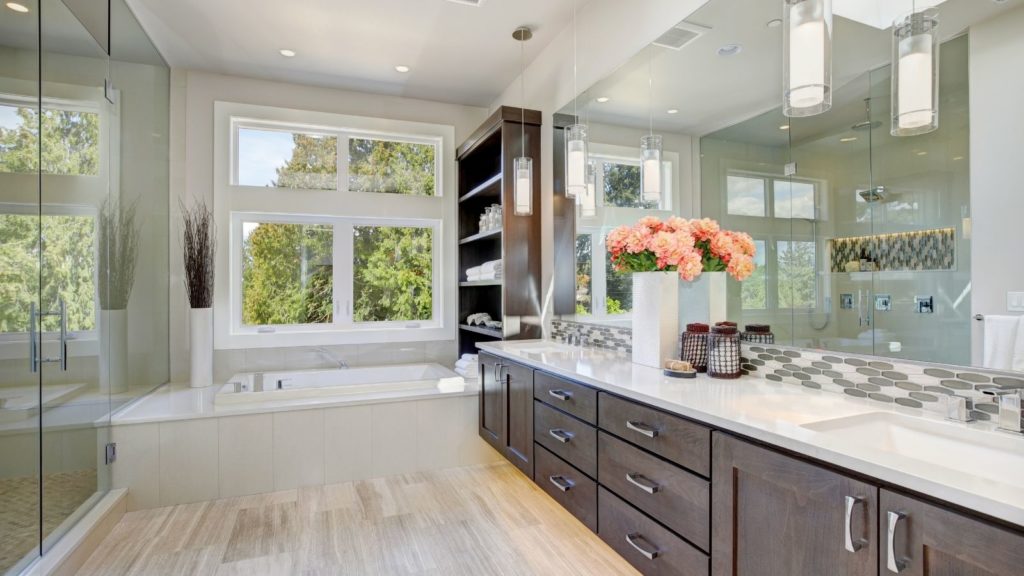
Cleaning as a part of staging goes far beyond the typical tidying that’s done in a home. In staging, you cover everything from ceiling fans and air vents to baseboards and carpets. The toilets, bathtubs, and sinks should all be bleached. Re-caulking can also be an inexpensive way to make these areas more appealing to buyers.
You’ll also need to clean inside the oven, microwave, and refrigerator because buyers will investigate these areas.
Don’t forget to look under the sinks for any signs of leaks, standing water, or musty smells.
If you have a laundry room, make sure the appliances are wiped down and that you don’t have any clean or dirty clothes folded, hanging, or piled in that space.
If the floors are in poor condition, beyond a shampoo or a mop, consider replacing them. When a buyer sees damaged flooring, they’re disheartened, see a home improvement project, and start devaluing the property. You’ll find it may be a wiser investment to replace the floors before showing.
If you’re not up to the task of scrubbing every area of your home, consider outsourcing the job to a professional cleaning company.
Accentuate the Property Thoughtfully
There are several small, inexpensive projects you can undertake that might increase the perceived value of your home significantly. During showings, make sure all the window coverings are open and that the windows are clean to allow in the most natural light.
- Replace window and door screens.
- Put out a new welcome mat.
- Put potted flowers by the entryway.
- Change out doorknobs and locks.
- Update the light switch and electrical socket plate covers.
- Give the bathrooms a spa-like feel with white towels, plants, and candles.
- Add vases of fresh flowers in the living room
- Put a bowl of fresh fruit on the kitchen table
Changing the screens, caulking, plate covers, and other small updates could also increase the actual value of your home. Appraisers tend to gauge a home’s value in $500 increments, so a few bucks and a little time could go a long way!
Pay Extra Attention to Curb Appeal
With the inside of your home prepped and ready for showings, it’s time to turn your attention to the outside. Stand across the street from your house and look at your property from the perspective of a potential buyer. What do you see?

Consider power washing the exterior or having someone do it for you. If there’s a porch, steps, or railing, make sure they’re not chipping and, if necessary, paint them.
Mow the lawn, trim the hedges, pull any weeds, pick up any trash, and put away any lawn furniture and toys that don’t add value. However, if you do have a nice set of lawn or patio furniture, you could arrange it into pleasant conversational areas to give the impression of more usable living space.
Bonus Points in Staging
One extra step you could take in staging is to put together a binder with useful information about nearby amenities to leave out for buyers to look through. In it, you could feature some of your favorite hot spots like local restaurants, shops, parks, and recreation.
Another nice touch is to bake cookies or light candles before showings so that guests are welcomed by the pleasant scents of home.
Talk with Your Real Estate Agent About Staging
Your qualified, professional real estate agent is highly experienced in staging homes for sale. With your permission, he or she will walk the home with you, inside and out, to find areas where you may be able to do minor repairs, upgrades, or ways to improve your home for showings and increase the number of offers and their value.
Have Questions?
Give The Buetergerds Group a call today to learn more about local areas, discuss selling a house, or tour available homes for sale
Things to Do in Sarasota, FL

Sarasota, Florida, is everything you’d expect from a thriving beach town community, including a tantalizing array of things to do. Sarasota offers beaches, boating, kayaking, yacht clubs, aquariums, exceptional dining in downtown Sarasota, shopping, salons, golf, and so much more. It’s also a community steeped in history and infused with a rich appreciation for art and culture. Here are just a few of the many things to do in Sarasota.
Sarasota Beaches
Sarasota is known for its remarkable collection of beaches, each offering a unique experience.
Whether you’re looking for cool, soft sands to soak in the warm sun, a place to search for fossils or seashells, a chance to catch the perfect wave, a waterside park to picnic, or a beachside path to ride your bike, you’ll find the ideal beach in Sarasota.
While it’s true that the miles and miles of shoreline are part of Sarasota’s main draws, there are plenty of other adventures to be had.

Photo credit: Canva
Ted Sperling Nature Park and Mangrove Tunnels
For kayaking fun, head to Ted Sperling Nature Park and Mangrove Tuells for one of the top-rated kayak launches in Florida. Just off the launch is a complex system of mangrove forests and tunnels, ideal for kayakers of all skill levels. But there’s fun on dry land, too.
The park is home to a wide array of wildlife, including fish, aquatic birds, and Indian Manatee amidst the red mangroves that are essential to the local ecosystem.
Mote Marine Laboratory and Aquarium
When you want to appreciate the ocean without getting into it, visit Mote Marine Laboratory and Aquarium to experience exhilarating exhibits and special programs. The venue is the creation of scientists and explorers focused on research and education as stewards of the ocean.

Photo credit: Canva
At the aquarium, get up close to otters, alligators, sharks, sea turtles, manatees, and more. There’s even a virtual reality experience in addition to an exploration gallery.
Sarasota Jungle Gardens
Another way to experience the love of animals in Sarasota is at the Sarasota Jungle Gardens. Here, you’ll find free-roaming flamingos, a petting zoo, reptiles like alligators and crocodiles, parrots, lemurs, and much more.
Watch a parrot on roller-skates and bicycles at the Jungle Bird show, learn about owls, hawks, kookaburras, and more at the Wildlife Wonder Show, or take in knowledge about snakes, alligators, and more. And, after the shows, you can have an opportunity to get hands-on with some of the animals for a photo with your favorites.
Marie Selby Botanical Gardens
Divided among two campuses, Shelby Gardens houses a total of 45 acres of bayfront sanctuaries. The Downtown Sarasota campus features areas dedicated to the rainforest, desert, and display garden. It also features a number of greenhouses, including the Tropical Conservatory, a jaw-dropping collection of orchids and bromeliads, a butterfly garden, koi pond, and more, set around historic sites and the Museum of Botony and the Arts.

Photo credit: Canva
The Historic Spanish Point Campus, the larger of the two, features learning opportunities about native and pioneer history amidst various smaller gardens, also with historical sites such as the White Cottage and Sunken Garden, Guptill House, Mary’s Chapel, and more.
John and Mable Ringling Museum of Art
Visit the John and Mable Ringling Museum of Art, an impressive complex that stretches a span of 66 acres. The venue features the Ca’ d’Zan mansion, Bayfront Gardens, the Circus Museum, and the State Art Museum of Florida.
John and Charles Ringling, also known as The Ringling Brothers, reached fame and fortune through miscellaneous investments but were most well known for their production of the Ringling Brothers Show or the Ringling Brothers Circus.
While on-site, grab a bite at The Ringling Grillroom, have a hot beverage at Mable’s Coffee and Tea, take the little ones to the David F. Bolger Playspace, or visit the Ringling Museum store.
The Sarasota Ballet
Nationally and internationally recognized, the Sarasota Ballet has received rave reviews from The Wall Street Journal, The New York Times, and other highly reputable publications. The Sarasota Ballet has performed at Washington D.C.’s Kennedy Center and New York City’s Joyce Theater, as well as the Jacob’s Pillow Dance Festival in Massachusetts.

Photo credit: Canva
In addition to putting on stellar performances and spectacular special events, the Sarasota Ballet Conservatory works with students ages 11-18 to prepare them for careers in performing classical ballet. When students graduate, they have the opportunity to join the Sarasota Ballet.
Golf in Sarasota
As much as Sarasota is recognized for its diverse beaches, it’s also known for its golf and country clubs, such as The Meadows Country Club, Laurel Oak Country Club, and The Founders Golf Club, among others in the city and surrounding areas.
Shopping in Sarasota
There are plenty of places in Sarasota to indulge in a bit of retail therapy. Whether you’re shopping for trinkets and treasures or fashion to furniture, you’re bound to find what you need and more in the several shops, boutiques, malls, and stores, including the Mall at University Town Center and Sarasota’s downtown shopping district, featuring bookstores, stationery shops, metaphysical stores and places to pamper your pets.

Photo credit:Canva
The Sarasota Yacht Club
The Sarasota Yacht Club is a private campus featuring a 110-slip marina, heated pool, fitness center, indoor and outdoor bars, extraordinary dining, and more. The watersports offered at The Sarasota Yacht Club include kayaks, paddleboards, and sailboats.
Gulf coast cruises are held each month for members who participate in several regattas. The club also features more than 20 activity groups that have interests, including golf, skeet shooting, kayaking, hot rod cars, and more. And, for the members with little ones, the Sarasota Yacht Club offers childcare services while the big kids are having fun on the water.
Conclusion
Sarasota, Florida, is a piece of paradise that offers comfortable living with a wide array of things to do for people of all ages, backgrounds, and interests. Whether you’re looking for a morning on the greens, a day at the beach, an animal encounter, a stroll through a garden, shopping, or fine dining, Sarasota, Florida has something to offer.

Photo credit: Canva
Have Questions?
Give The Buetergerds Group a call today to learn more about local areas, discuss selling a house, or tour available homes for sale